Pesca&Sub,
5/
5
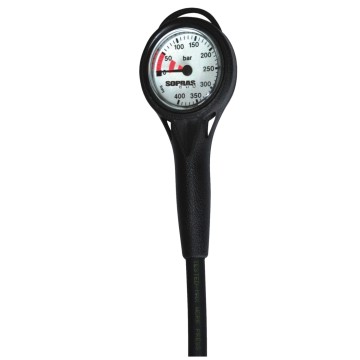
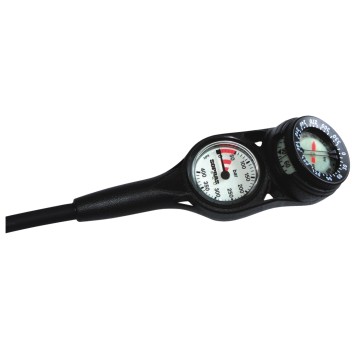
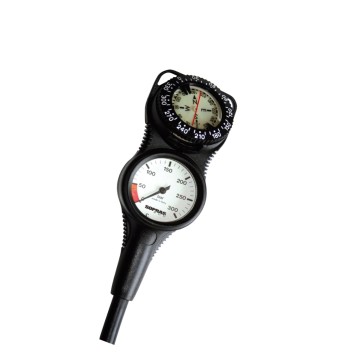
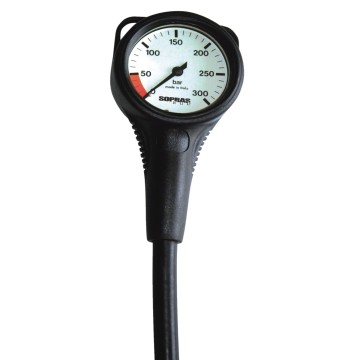
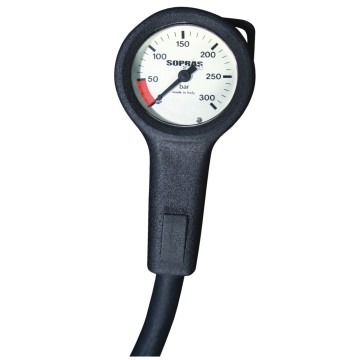
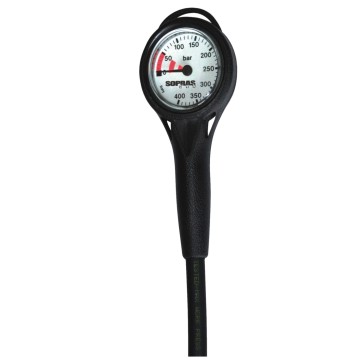
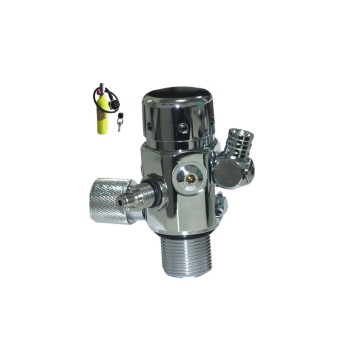
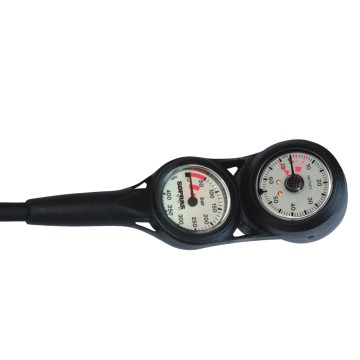
<h1 class="tm7"><strong><span class="tm8">Combo 2 Compass Mini 5000 PSI Manometer + Compass Abossub</span></strong></h1>
<p class="tm9"><span class="tm10">Small PSI pressure gauge and compass. 5000 PSI</span></p>
<p style="box-sizing: inherit; margin: 0px; font-size: 14px; color: #2b2626; font-family: 'Open Sans', sans-serif; background-color: #ffffff;">Using a pressure gauge and compass while scuba diving is essential to ensure safety and orientation. Here is how they can be used together:</p>
<p style="box-sizing: inherit; margin: 0px; font-size: 14px; color: #2b2626; font-family: 'Open Sans', sans-serif; background-color: #ffffff;"></p>
<p style="box-sizing: inherit; margin: 0px; font-size: 14px; color: #2b2626; font-family: 'Open Sans', sans-serif; background-color: #ffffff;"><span style="box-sizing: inherit; font-weight: 600;">Manometer</span></p>
<p style="box-sizing: inherit; margin: 0px; font-size: 14px; color: #2b2626; font-family: 'Open Sans', sans-serif; background-color: #ffffff;">Air monitor: Keeps track of the residual pressure in the air tank. Check it regularly to avoid running out of air.</p>
<p style="box-sizing: inherit; margin: 0px; font-size: 14px; color: #2b2626; font-family: 'Open Sans', sans-serif; background-color: #ffffff;">Ascent planning: Knowing the pressure helps you plan when to start your ascent and ensure you always have enough air to safely return to the surface.</p>
<p style="box-sizing: inherit; margin: 0px; font-size: 14px; color: #2b2626; font-family: 'Open Sans', sans-serif; background-color: #ffffff;"><span style="box-sizing: inherit; font-weight: 600;"></span></p>
<p style="box-sizing: inherit; margin: 0px; font-size: 14px; color: #2b2626; font-family: 'Open Sans', sans-serif; background-color: #ffffff;"><span style="box-sizing: inherit; font-weight: 600;">Compass</span></p>
<p style="box-sizing: inherit; margin: 0px; font-size: 14px; color: #2b2626; font-family: 'Open Sans', sans-serif; background-color: #ffffff;">Orientation: It allows you to maintain direction while diving, especially in low visibility conditions or complex underwater environments.</p>
<p style="box-sizing: inherit; margin: 0px; font-size: 14px; color: #2b2626; font-family: 'Open Sans', sans-serif; background-color: #ffffff;">Route Planning: Before you dive, you can determine the direction you want to go and use the compass to follow it.</p>
<p style="box-sizing: inherit; margin: 0px; font-size: 14px; color: #2b2626; font-family: 'Open Sans', sans-serif; background-color: #ffffff;">Combined use of pressure gauge and compass</p>
<p style="box-sizing: inherit; margin: 0px; font-size: 14px; color: #2b2626; font-family: 'Open Sans', sans-serif; background-color: #ffffff;">Dive planning:</p>
<p style="box-sizing: inherit; margin: 0px; font-size: 14px; color: #2b2626; font-family: 'Open Sans', sans-serif; background-color: #ffffff;"></p>
<p style="box-sizing: inherit; margin: 0px; font-size: 14px; color: #2b2626; font-family: 'Open Sans', sans-serif; background-color: #ffffff;">Before diving, check the pressure gauge to make sure you have enough air and plan your route using the compass.</p>
<p style="box-sizing: inherit; margin: 0px; font-size: 14px; color: #2b2626; font-family: 'Open Sans', sans-serif; background-color: #ffffff;">During the dive:</p>
<p style="box-sizing: inherit; margin: 0px; font-size: 14px; color: #2b2626; font-family: 'Open Sans', sans-serif; background-color: #ffffff;"></p>
<p style="box-sizing: inherit; margin: 0px; font-size: 14px; color: #2b2626; font-family: 'Open Sans', sans-serif; background-color: #ffffff;">Check the pressure gauge regularly to monitor air consumption.</p>
<p style="box-sizing: inherit; margin: 0px; font-size: 14px; color: #2b2626; font-family: 'Open Sans', sans-serif; background-color: #ffffff;">Use the compass to orient yourself. You can mark visual landmarks (if available) or follow a specific course.</p>
<p style="box-sizing: inherit; margin: 0px; font-size: 14px; color: #2b2626; font-family: 'Open Sans', sans-serif; background-color: #ffffff;">Return to base:</p>
<p style="box-sizing: inherit; margin: 0px; font-size: 14px; color: #2b2626; font-family: 'Open Sans', sans-serif; background-color: #ffffff;"></p>
<p style="box-sizing: inherit; margin: 0px; font-size: 14px; color: #2b2626; font-family: 'Open Sans', sans-serif; background-color: #ffffff;">On the way back, use your compass to follow the opposite course and make sure you have enough air for a safe ascent.</p>
<p style="box-sizing: inherit; margin: 0px; font-size: 14px; color: #2b2626; font-family: 'Open Sans', sans-serif; background-color: #ffffff;">Final Considerations</p>
<p style="box-sizing: inherit; margin: 0px; font-size: 14px; color: #2b2626; font-family: 'Open Sans', sans-serif; background-color: #ffffff;"><span style="box-sizing: inherit; font-weight: 600;">Practice</span>: It is helpful to practice using the compass in shallow water before taking on deeper or more complex dives.</p>
<p style="box-sizing: inherit; margin: 0px; font-size: 14px; color: #2b2626; font-family: 'Open Sans', sans-serif; background-color: #ffffff;">Training courses: Participating in underwater navigation courses will provide you with the skills you need to effectively use a pressure gauge and compass.</p>
<p class="tm7" style="box-sizing: inherit; margin: 0px; font-size: 14px; color: #2b2626; font-family: 'Open Sans', sans-serif; background-color: #ffffff;"><span class="tm8" style="box-sizing: inherit;"></span></p>
<p class="Normale"><span class="tm11"><span style="background-color: #ffffff; color: #2b2626; font-family: 'Open Sans', sans-serif; font-size: 14px;">If you need more details or have specific questions, let me know!</span></span></p>
<p class="Normale"><strong><span class="tm12"> </span></strong></p>
<p class="Normale"><strong><span class="tm12">ART. 531201</span></strong></p>



 Security policy
 Delivery policy
 Return policy