Active filters

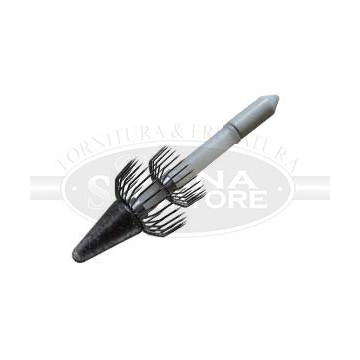
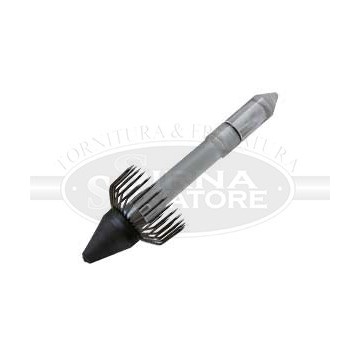
TOTANARA MONOMAGIC DUE LUCI LED E DUE CORONE...

,
5/ 5
<h2><strong>TOTANARA MONOMAGIC DUE LUCI LED E DUE CORONE LUCE FONDO<br /></strong></h2> <p></p> <h2><strong>TOTANO</strong></h2> <p>Questo celafolopode è sicuramente una delle prede più ambite dei nostri mari, infatti la sua pesca attrae moltissimi appasionati che nelle calde notti estive passano moltissime ore per cercare di catturarlo, naturalmente la sua pesca è spesso molto fruttuosa, infatti non sono rare le sere in cui una singola barca cattura 20 e più lulle (questo è il nome che si usa in liguria). Il motivo della sua popolarità sta nel fatto che oltre ad essere veramente squisito, le sue carni sono dolci e delicate, e si presta a moltissime preparazioni, la sua pesca particolare piace molto ai pescatori, infatti quando attacca l'esca è veramente forte e cio inpegna in un combattimento molto serrato.</p> <p>Il totano è un cefalopode che vive a grandi profondità, ma in estate, soprattutto di notte si avvicina alla costa e allora si può pescare dai 100 ai 40 mt, la sua pesca si fa soprattutto nelle notti senza luna, o perlomeno con poca luna, infatti quando c'è molto chiarore causato dalla luna, è molto difficile da fare abboccare, forse anche perchè lo si atrae con starlite e lampade strobo sulla lenza, e se è troppo chiaro probabilmente non vede i nostri richiami.</p> <p>La tecnica di pesca è molto semplice, si pratica dalla barca a scarroccio, se è presente un po di tramontana è ottimo, perchè ci sposterà lentamente e ci permetterà di esplorare un ampio tratto di mare, quando invece il vento è assente, può capitare di prendere moltissimi totani, perchè si è praticamente fermi sopra un branco, ma anche di non prenderne affatto per il motivo inverso! Si possono utilizzare ia lenze a mano avvolte su un grosso sughero, che canna e mulinello, su quest'ultimi, che possono essere anche elettrici, sarà montato un multifibra abbastanza robusto in modo da aumentare la sensibilità della tocca e permettere di non perdere troppi pesci. La montatura è molto semplice si mette in alto una piccola lampada stroboscopica, come quelle che si utilizzano nel bolentino profondo, poi una grossa girella, a questa si aggancia una grossa totaniera con infilzato un pesce (sugarello, cavalla o alaccia), magari legato con del filo elastico, se la totaniera ne è provvista nell'apposito vano tra gli aghi mettiamo uno starlite. A questo punto la montatura è pronta e se saremo fortunati non si dovrà cambiare il pesce per diverse abboccate. In mancanza di esca fresca, si può sostituire il pesce con un grosso pezzo di lardo bianco, che grazie al suo colore molto visibile in acqua, spesso è più catturante del pesce.</p> <p>L'azione di pesca è molto semplice, una volta calata la totaniera a contatto del fondo si comincerà a farla risalire con strattoni ampi e continui, fino alla superfice (infatti i totani possono essere a qualsiasi profondità, ed è buona norma ricordarsi a che profondità abbiamo sentito la tocca in modo da riprovarci a pescare). Quando il totano rimane agganciato si sentirà un fortissimo peso, deve essere recuperato senza assolutamente mai fermarsi finchè non è a bordo, infatti basterà anche solo rallentare il recupero che lui si sgancia. Naturalmente questa azione di pesca si effettuerà sia con la canna che con la lenza a mano.</p> <p>L'unico vero problema della pesca la totano è che purtroppo ci sono annate in cui è praticamente assente, in queste estati uscite con 2-3 totani sono già da ritenersi buone, mentre in altre annate particolarmente felici quando se ne prendono 15 sembrano pochi!!! Comunque la sua pescaè sempre molto piacevole anche perchè nelle calde notti di luglio e agosto un'uscita in mare alla sera ci rigenera da una giornata di lavoro.</p> <p></p> <p></p> <p><strong>CARATTERISTICHE</strong></p> <ul> <li><strong>Lunghezza </strong>260 mm</li> <li><strong>Peso</strong> 450 grammi</li> <li><strong>Batteria </strong>Nr. 2 ministilo da 1,5 V</li> <li><strong>Intermittenza</strong> I2LEDM12WR</li> <li><strong>Vetrino</strong> VP201668F</li> <li><strong>Corone</strong> diametro 50 mm (CP50) – diametro 65 mm (CP65)</li> <li><strong>Distanziale</strong> D506533</li> <li><strong>Zavorra </strong>Z230</li> </ul> <p> </p> <p> </p> <p><strong>ART. TM2LED2CF</strong></p> <p></p> <p></p> <h2><span style="font-family: Arial, 'sans-serif'; font-size: 10pt;"><span style="color: #000000;"><span class="text_exposed_show"><span style="font-family: Arial, 'sans-serif'; font-size: 10pt;"><span style="color: #000000;"><span class="text_exposed_show">VISUALIZZA TUTTI I NOSTRI PRODOTTI NELLA CATEGORIA<span style="color: #2445a2;"> <strong><a href="http://www.pescaesub.biz/503-totanare-monomagic"><span style="color: #2445a2;">TOTANARE - TOTANARE MONOMAGIC</span></a></strong></span></span></span></span></span></span></span></h2>
TOTANARA MONOMAGIC DUE LUCI LED E DUE CORONE L.F
In Stock Price €74.90
Availability: 3 In Stock

Lunghezza 260 mm
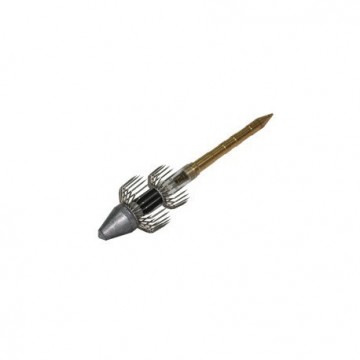
TOTANARA FOSFORESCENTE UNA LUCE E UNA CORONA...

,
5/ 5
<h2><strong>PHOSPHORESCENT SQUID ONE LIGHT AND ONE CROWN LIGHT ON TOP<br /></strong></h2> <h2 class="contentheading">Squid fishing</h2> <div class="article-toolswrap"> <div class="article-tools clearfix"> <div class="buttonheading"><span> </span><span></span>Here is a very special and suggestive fishing technique....</div> </div> </div> <p>Suggestive because it is practiced in summer during the night hours in the middle of the sea and in absolute silence... It is a very simple technique, it can also be done with a simple hand line and a squid boat with a piece of lard attached, but it can also be practiced using very technological equipment, let's see now how....</p> <p>First of all when to practice it: the best months are June July and August, some years the season gets longer and you can fish until September, however generally the first squids are caught in early June and until the end of August the season and priopice, not all nights are optimal for fishing, in fact nights without moon, or at least with little crescent moon are preferred, on nights with a full moon, or at least well visible and bright in the sky will be very difficult to get our cephalopods to bite. In addition, the ideal is a light shore craft, allowing us to drift a little so as to patrol a greater surface area of sea.</p> <p>Let us now come to the equipment:</p> <p>You can fish in three different ways: with hand line, in this case we will have a line (diameter of 100-120, so as not to cut our fingers) wrapped on a large cork, about 150 mt, to the end of which will be tied a squid boat, squid boats with space for one or more starlites (chemical lights) are preferable, the squid boats will have to be very strong, specific for squids, if they are too light and with thin needles surely after 1 or 2 fish we would have lost half the needles and they will be unusable. Before the squid boat you put a depth lamp (like the ones cxthat are used in deep sea fishing).</p> <p>This is because squids are attracted very much to the light. With the rod: in this case we need a vertical jigging rod with a myulinello suitable to hold 200-300 mt. of multifiber, preferably we will use the multicolor one, so that we can always know at what depth we are fishing, also in this case we will use a lamp, and immediately below our squid boat. Finally we can use the electric reel, many turn their noses up, however the electric can help us a lot especially during the retrieve, which is often done from over 100 mt and must be continuous and without jerks.</p> <p>The <strong><span style="color: #2445a2;"><a href="https://www.pescaesub.biz/en/492-totanare"><span style="color: #2445a2;">lures</span></a></span></strong>: basically in this fishery the squid is not attracted by the actual bait, but by the combination lights bait, squid, in fact at 50-60 and more meters depth at night surely our cephalopod will see our bait only after it has been attracted by the lights, so it is nmolto important to have a lot of lights near the squid boat (lamp and starlite), then once it sees the whole thing surely it will notice the bait that can be a fish (the best is the horse mackerel because it is shiny and reflective), or a big piece of white lard, both of them should be threaded on the squid boat rod and tied with an elastic thread. Until a few decades ago when starlites were rare and depth lamps nonexistent, only lard was used, which being white was also very visible in depth, now with the aid of lights and lamps a nice whole fish is to be preferred, although lard is still often used successfully.</p> <p>Let us now look at the fishing action: this one is very simple, basically we let the squid boat go all the way to the bottom, at least at the beginning of the fishing when we do not yet know the depth at which the squids are, or by using colored multifiber we can lower our bait to the depth at which we have already caught a few fish. then we begin to retrieve by making a slow jig if we fish with a rod, raising the arm in case we fish by hand, when the squid bites we will feel a noticeable weighing down of our line, as if we had snagged a heavy rag, from now on we must not let go, the line must always be under tension and retrieved evenly, under penalty of the sure loss of the squid, in fact the squid boat has no purse seines and as soon as we "let go" a little he gets free, when he is on the surface we must not hesitate and with a single and decisive movement he must be brought aboard, where as soon as he arrives he will spray all the water he has in the tube surely in the fisherman's face!</p> <p>This technique is definitely a lot of fun and profitable, in fact there are evenings in the middle of summer when dozens of squid are caught, often also very large (over a kg), moreover these cephalopods are delicious and if cooked properly they are really good. What's more, they are fished in the evenings, generally going out around 9 p.m. and returning well past midnight (although actually all night until dawn is good), in the middle of summer when it's really hot on land in the middle of the sea in the dark it's lovely.</p> <p></p> <h3>Totanara phosphorescent one light and one crown light on top</h3> <ul> <li><strong>Length</strong> 220 mm</li> <li><strong>Total weight</strong> 430 grams</li> <li><strong>Flashing light</strong> there is a watertight housing for water light and with switch <strong>(not included)</strong></li> <li>Phosphorescent<strong>slide</strong> - VFX252070S</li> <li><strong>Crown</strong> diameter 70 mm - CP70</li> <li><strong>Ballast </strong>300 grams - Z300</li> </ul> <p></p> <p></p> <p><strong>ART. TFX1L1CS</strong></p> <p></p> <p></p> <p></p> <p><span style="font-family: Arial, 'sans-serif'; font-size: 10pt;"><span style="color: #000000;"><span class="text_exposed_show"><span style="font-family: Arial, 'sans-serif'; font-size: 10pt;"><span style="color: #000000;"><span class="text_exposed_show">VIEW ALL OUR PRODUCTS IN THE CATEGORY <strong><a href="https://www.pescaesub.biz/en/494-"><span style="color: #2445a2;">FISHING - TOTANARE - FLUO TOTANARE</span></a></strong></span></span></span></span></span></span></p>
TOTANARA FOSFORESCENTE UNA LUCE E UNA CORONA L.S
In Stock Price €59.00
Availability: 6 In Stock

Lunghezza 220 mm

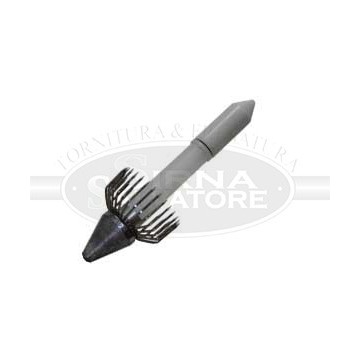
TOTANARA phosphorescent one light and one crown...

,
5/ 5
<h2><strong>Sea Fishing TOTANARA</strong></h2> <h2 class="contentheading">Squid Fishing</h2> <div class="article-toolswrap"> <div class="article-tools clearfix"> <div class="buttonheading"><span> </span><span></span>Here is a very special and suggestive fishing technique....</div> </div> </div> <p>Suggestive because it is practiced in summer during the night hours in the middle of the sea and in absolute silence... It is a very simple technique, it can also be done with a simple hand line and a squid boat with a piece of lard attached, but it can also be practiced using very technological equipment, let's see now how....</p> <p>First of all when to practice it: the best months are June July and August, some years the season gets longer and you can fish until September, however generally the first squids are caught in early June and until the end of August the season and priopice, not all nights are optimal for fishing, in fact nights without moon, or at least with little crescent moon are preferred, on nights with a full moon, or at least well visible and bright in the sky will be very difficult to get our cephalopods to bite. In addition, the ideal is a light shore craft, allowing us to drift a little so as to patrol a greater surface area of sea.</p> <p>Let us now come to the equipment:</p> <p>You can fish in three different ways: with hand line, in this case we will have a line (diameter of 100-120, so as not to cut our fingers) wrapped on a large cork, about 150 mt, to the end of which will be tied a squid boat, squid boats with space for one or more starlites (chemical lights) are preferable, the squid boats will have to be very strong, specific for squids, if they are too light and with thin needles surely after 1 or 2 fish we would have lost half the needles and they will be unusable. Before the squid boat you put a depth lamp (like the ones cxthat are used in deep sea fishing).</p> <p>This is because squids are attracted very much to the light. With the rod: in this case we need a vertical jigging rod with a myulinello suitable for holding 200-300 mt. of multifiber, preferably we will use the multicolor one, so that we can always know at what depth we are fishing, also in this case we will use a lamp, and immediately below our squid boat. Finally we can use the electric reel, many turn their noses up, however the electric can help us a lot especially during the retrieve, which is often done from over 100 mt and must be continuous and without jerks.</p> <p>The <strong><span style="color: #2445a2;"><a href="https://www.pescaesub.biz/en/492-totanare"><span style="color: #2445a2;">lures</span></a></span></strong>: basically in this fishery the squid is not attracted by the actual bait, but by the combination lights bait, squid, in fact at 50-60 and more meters depth at night surely our cephalopod will see our bait only after it has been attracted by the lights, so it is nmolto important to have a lot of lights near the squid boat (lamp and starlite), then once it sees the whole thing surely it will notice the bait that can be a fish (the best is the horse mackerel because it is shiny and reflective), or a big piece of white lard, both of them should be threaded on the squid boat rod and tied with an elastic thread. Until a few decades ago when starlites were rare and depth lamps nonexistent, only lard was used, which being white was also very visible in depth, now with the aid of lights and lamps a nice whole fish is to be preferred, although lard is still often used successfully.</p> <p>Now let's look at the fishing action: this is very simple, basically we let the squid boat go all the way to the bottom, at least at the beginning of the fishing when we do not yet know the depth at which the squids are, or by using colored multifiber we can lower our bait to the depth at which we have already caught a few fish. then we begin to retrieve by making a slow jig if we fish with a rod, raising the arm in case we fish by hand, when the squid bites we will feel a noticeable weighing down of our line, as if we had hooked a heavy rag, from now on we must not let go, the line must always be under tension and retrieved evenly, under penalty of the sure loss of the squid, in fact the squid boat has no purse seines and as soon as we "let go" a little he gets free, when he is on the surface we must not hesitate and with a single and decisive movement he must be brought aboard, where as soon as he arrives he will spray all the water he has in the tube surely in the fisherman's face!</p> <p>This technique is definitely a lot of fun and profitable, in fact there are evenings in the middle of summer when dozens of squid are caught, often also very large (over a kg), moreover these cephalopods are delicious and if cooked properly they are really good. What's more, they are fished in the evenings, generally going out around 9 p.m. and returning well past midnight (although actually all night until dawn is good), in the middle of summer when it's really hot on land in the middle of the sea in the dark it's lovely.</p> <p></p> <h3>Totanara phosphorescent one light and one crown light bottom</h3> <ul> <li><strong>Length</strong> 220 mm</li> <li><strong>Total weight</strong> 450 grams</li> <li><strong>Flashing light </strong>there is a watertight housing for water light and with switch (not included)</li> <li>Phosphorescent<strong>slide</strong> - VFX252070F</li> <li><strong>Crown</strong> diameter 70 mm - CP70</li> <li><strong>Ballast </strong>300 grams - Z300</li> </ul> <p></p> <p> </p> <p><strong>ART. TFX1L1CF</strong></p> <p> </p> <p> </p> <p></p> <p></p> <h2><span style="font-family: Arial, 'sans-serif'; font-size: 10pt;"><span style="color: #000000;"><span class="text_exposed_show"><span style="font-family: Arial, 'sans-serif'; font-size: 10pt;"><span style="color: #000000;"><span class="text_exposed_show">VIEW ALL OUR PRODUCTS IN THE CATEGORY <strong><a href="https://www.pescaesub.biz/en/494-"><span style="color: #2445a2;">FISHING - TOTANARE - FLUO TOTANARE</span></a></strong></span></span></span></span></span></span></h2>
TOTANARA FOSFORESCENTE UNA LUCE E UNA CORONA L.F
In Stock Price €55.00
Availability: 6 In Stock

Lunghezza 220 mm

TOTANARA phosphorescent one led light and two...

,
5/ 5
<h2><strong>Sea Fishing TOTANARA<br></strong></h2> <p></p> <h2 class="contentheading">Squid Fishing</h2> <div class="article-toolswrap"> <div class="article-tools clearfix"> <div class="buttonheading"><span> </span><span></span>Here is a very special and suggestive fishing technique....</div> </div> </div> <p>Suggestive because it is practiced in summer during the night hours in the middle of the sea and in absolute silence... It is a very simple technique, it can also be done with a simple hand line and a squid boat with a piece of lard attached, but it can also be practiced using very technological equipment, let's see now how....</p> <p>First of all when to practice it: the best months are June July and August, some years the season gets longer and you can fish until September, however generally the first squids are caught in early June and until the end of August the season and priopice, not all nights are optimal for fishing, in fact nights without moon, or at least with little crescent moon are preferred, on nights with a full moon, or at least well visible and bright in the sky will be very difficult to get our cephalopods to bite. In addition, the ideal is a light shore craft, allowing us to drift a bit so as to patrol a greater surface area of sea.</p> <p>Let us now come to the equipment:</p> <p>You can fish in three different ways: with hand line, in this case we will have a line (diameter of 100-120, so as not to cut our fingers) wrapped on a large cork, about 150 mt, to the end of which will be tied a squid boat, squid boats with space for one or more starlites (chemical lights) are preferable, the squid boats will have to be very strong, specific for squids, if they are too light and with thin needles surely after 1 or 2 fish we would have lost half the needles and they will be unusable. Before the squid boat you put a depth lamp (like the ones cxthat are used in deep sea fishing).</p> <p>This is because squids are attracted very much to the light. With the rod: in this case we need a vertical jigging rod with a myulinello suitable to hold 200-300 mt. of multifiber, preferably we will use the multicolor one, so that we can always know at what depth we are fishing, also in this case we will use a lamp, and immediately below our squid boat. Finally we can use the electric reel, many turn their noses up, however the electric can help us a lot especially during the retrieve, which is often done from over 100 mt and must be continuous and without jerks.</p> <p>The <strong><span style="color: #2445a2;"><a href="https://www.pescaesub.biz/en/492-totanare"><span style="color: #2445a2;">lures</span></a></span></strong>: basically in this fishery the squid is not attracted by the actual bait, but by the combination lights bait, squid, in fact at 50-60 and more meters depth at night surely our cephalopod will see our bait only after it has been attracted by the lights, so it is nmolto important to have a lot of lights near the squid boat (lamp and starlite), then once it sees the whole thing surely it will notice the bait that can be a fish (the best is the horse mackerel because it is shiny and reflective), or a big piece of white lard, both of them should be threaded on the squid boat rod and tied with an elastic thread. Until a few decades ago when starlites were rare and depth lamps nonexistent, only lard was used, which being white was also very visible in depth, now with the aid of lights and lamps a nice whole fish is to be preferred, although lard is still often used successfully.</p> <p>Let us now look at the fishing action: this one is very simple, basically we let the squid boat go all the way to the bottom, at least at the beginning of the fishing when we do not yet know the depth at which the squids are, or by using colored multifiber we can lower our bait to the depth at which we have already caught a few fish. then we begin to retrieve by making a slow jig if we fish with a rod, raising the arm in case we fish by hand, when the squid bites we will feel a noticeable weighing down of our line, as if we had snagged a heavy rag, from now on we must not let go, the line must always be under tension and retrieved evenly, under penalty of the sure loss of the squid, in fact the squid boat has no purse seines and as soon as we "let go" a little he gets free, when he is on the surface we must not hesitate and with a single and decisive movement he must be brought aboard, where as soon as he arrives he will spray all the water he has in the tube surely in the fisherman's face!</p> <p>This technique is definitely a lot of fun and profitable, in fact there are evenings in the middle of summer when dozens of squid are caught, often also very large (over a kg), moreover these cephalopods are delicious and if cooked properly they are really good. What's more, they are fished in the evenings, generally going out around 9 p.m. and returning well past midnight (although actually all night until dawn is good), in the middle of summer when it's really hot on land in the middle of the sea in the dark it's lovely.</p> <p></p> <h3>Totanara phosphorescent one light and two light crowns on top</h3> <ul> <li><strong>Length </strong>290 mm</li> <li><strong>Total weight</strong> 490 grams</li> <li><strong>Flashing light</strong> there is a watertight housing for water light and with switch (not included)</li> <li>Phosphorescent<strong>slide</strong> - VFX252070S</li> <li><strong>Crowns </strong>diameter 65 mm - CP65 - diameter 90 mm - CP90</li> <li><strong>Spacer</strong> length 33 mm - D659033</li> <li><strong>Ballast </strong>300 grams -<strong> </strong>Z300</li> </ul> <p></p> <p> </p> <p><strong>ART. TFX1L2CS</strong></p> <p> </p> <p> </p> <p></p> <p></p> <p></p> <h2><span style="font-family: Arial, 'sans-serif'; font-size: 10pt;"><span style="color: #000000;"><span class="text_exposed_show"><span style="font-family: Arial, 'sans-serif'; font-size: 10pt;"><span style="color: #000000;"><span class="text_exposed_show">VIEW ALL OUR PRODUCTS IN THE CATEGORY <strong><a href="https://www.pescaesub.biz/en/494-"><span style="color: #2445a2;">FISHING - TOTANARE - FLUO TOTANARE</span></a></strong></span></span></span></span></span></span></h2>
TOTANARA FOSFORESCENTE UNA LUCE E DUE CORONE L.S
In Stock Price €55.00
Availability: 5 In Stock

Lunghezza 290 mm

TOTANARA FOSFORESCENTE UNA LUCE E DUE CORONE...

,
5/ 5
<h2><strong>TOTANARA FOSFORESCENTE UNA LUCE E DUE CORONE LUCE FONDO<br /></strong></h2> <p></p> <h2 class="contentheading">Pesca al Totano</h2> <div class="article-toolswrap"> <div class="article-tools clearfix"> <div class="buttonheading"><span> </span><span></span>Ecco una tecnica di pesca molto particolare e suggestiva...</div> </div> </div> <p>Suggestiva perchè si pratica in estate durante le ore notturne in mezzo al mare e in assoluto silenzio... E' una tecnica molto semplice, si può fare anche con una semplice lenza a mano e una totaniera con un pezzo di lardo attaccato, ma può essere anche pratica utilizzando atrezzature molto tecnologiche, vediamo ora come....</p> <p>Prima di tutto quando praticarla: i mesi migliori sono giugno luglio e agosto, certe annate la stagione si allunga e si pesca fino a settembre, comunque generalmente i primi totani si prendono ad inizio giugno e fino alla fine di agosto la stagione e priopizia, non tutte le notti sono ottimali per la pesca, infatti sono da preferire le notti senza luna, o comunque con poca luna crescente, nelle notti con luna piena, o comunque ben visibile e luminosa nel cielo sarà molto difficile far abboccare i nostri cefalopodi. Inoltre l'ideale è una leggera brzza da terra, che ci permetta di scarrocciare un po in modo da perlustrare una superfice maggiore di mare.</p> <p>Veniamo ora all'attrezzatura:</p> <p>Si può pescare in tre modalità differenti: con la lenza a mano, in questo caso avremo una lenza (diametro del 100-120, per non tagliarci le dita) avvolta su un grosso sughero, circa 150 mt, al cui capo sarà legata una totaniera, sono preferibili le totaniere con lo spazio per uno o più starlite (luci chimiche), le totaniere dovranno essere molto robuste, specifiche per i totani, se sono troppo leggere e con gli aghi sottili sicuramente dopo 1 o 2 pesci avremmo perso metà degli aghi e saranno inutilizzabili. Prima della totaniera si mette una lampada da profondità (tipo quelle cxhe si utilizzano nel bolentino di profondità).</p> <p>Questo perchè i totani sono attratti moltissimo dalla luce. Con la canna: in questo caso abbiamo bisogno di una canna da vertical jigging con un myulinello adatto a contenere 200-300 mt. di multifibra, preferibilmente utilizzeremo quello multicolor, per poter sempre sapere a che profondità peschiamo, anche in questo caso utilizzeremo una lampada, e subito sotto la nostra totaniera. Infine si può utilizzare il mulinello elettrico, molti storcono il naso, però l'elettrico ci può aiutare molto soprattutto durante il recupero, che spesso si fa da oltre 100 mt e che deve essere continuo e senza strappi.</p> <p>Le <strong><span style="color: #2445a2;"><a href="http://www.pescaesub.biz/492-totanare-pesca"><span style="color: #2445a2;">esche</span></a></span></strong>: fondamentalmente in questa pesca il totano non è attratto dall'esca vera e propria, ma dalla combinazione luci esca, totaniera, infatti a 50-60 e più metri di profondità di notte sicuramente il nostro cefalopode vedrà la nostra esxca solo dopo che è stato attratto dalle luci, quindi è nmolto importante avere molte luci vicino alla totaniera (lampada e starlite), poi una volta che vede il tutto sicuramente noterà l'esca che può essere un pesce (il miglire è il sugarello perchè lucido e riflettente), oppure un grosso pezzo di lardo bianco, entrambi andranno infilati sull'asta della totaniera e legati con un filo elastico. Fino a qualche decennio fa quando gli starlite erano rari e le lampade da profondità inesistenti  si usava solo il lardo, che essendo bianco si vedeva moltissimo anche in profondità, adesso con  l'ausilio di luci e lampade è da preferire un bel pesce intero, anche se il lardo è ancora spesso utilizzato con successo.</p> <p>Vediamo ora l'azione di pesca: questa è molto semplice, in pratica si lascia andare la totaniera fin sul fondo, perlomeno all'inizio della pescata quando non conosciamo ancora la profondità a cui sono i totani, oppure utilizzando il multifibre colorato possiamo calare la nostra esca alla profondità a cui abbiamo già catturato qualche pesce. poi cominciamo a recuperare facendo una lenta jiggata se peschiamo con la canna, alzando il braccio in caso pescassimo a mano, quando il totano abbocca sentiremo  un notevole appesantimento della nostra lenza, come se avessimo incocciato un pesante straccio, da ora in avanti non dobbiamo più mollare, la lenza dovrà sempre essere in tensione e recuperata uniformemente, pena la sicura perdita del totano, infatti la totaniera non ha ardiglioni e appena ci "molliamo" un po lui si libera, quando è in superfice non bisogna esitare e con un movimento unico e deciso deve essere portato a bordo, dove appena arriva spruzzerà tutta l'acqua che ha nel tubo sicuramente in faccia al pescatore!</p> <p>Questa tecnica è sicuramente molto divertente e redditizia, infatti ci sono delle serate in piena estate in cui si prendono decine di totani spesso anche molto grossi (oltre il Kg), oltretutto questi cefalopodi sono buonissimi e se cucinati a dovere sono veramente ottimi. Oltretutto si pesca di sera, si esce generalmente intorno alle 21 e si rientra ben oltre la mezzanotte (anche se effettivamente tutta la notte fino all'alba è buona), in piena estate quando a terra fa caldissimo in mezzo al mare al buio  si sta d'incanto.</p> <p></p> <h3>Totanara fosforescente una luce e due corone luce fondo</h3> <ul> <li><strong>Lunghezza</strong> 290 mm</li> <li><strong>Peso totale</strong> 500 grammi</li> <li><strong>Luce intermittente </strong>vi è una sede a tenuta stagna per luce ad acqua e con interruttore (non compresa)</li> <li><strong>Vetrino</strong> fosforescente – VFX252070F</li> <li><strong>Corone</strong> diametro 65 mm (CP65) – diametro 90 mm (CP90)</li> <li><strong>Distanziale</strong> lunghezza 33 mm – D659033</li> <li><strong>Zavorra</strong> 300 grammi – Z300</li> </ul> <p></p> <p> </p> <p><strong>ART. TFX1L2CF</strong></p> <p> </p> <p> </p> <p></p> <p></p> <p></p> <h2><span style="font-family: Arial, 'sans-serif'; font-size: 10pt;"><span style="color: #000000;"><span class="text_exposed_show"><span style="font-family: Arial, 'sans-serif'; font-size: 10pt;"><span style="color: #000000;"><span class="text_exposed_show">VISUALIZZA TUTTI I NOSTRI PRODOTTI NELLA CATEGORIA <strong><a href="http://www.pescaesub.biz/494-totanare-eco"><span style="color: #2445a2;">PESCA - TOTANARE - TOTANARE FLUO</span></a></strong></span></span></span></span></span></span></h2>
TOTANARA FOSFORESCENTE UNA LUCE E DUE CORONE L.F
In Stock Price €59.90
Availability: 6 In Stock

Lunghezza 290 mm

TOTANARA FOSFORESCENTE DUE LUCI E UNA CORONA

,
5/ 5
<h2><strong>PHOSPHORESCENT SQUID TWO LIGHTS AND A CROWN</strong></h2> <p></p> <h2 class="contentheading">Squid fishing</h2> <div class="article-toolswrap"> <div class="article-tools clearfix"> <div class="buttonheading"><span> </span><span></span>Here is a very special and suggestive fishing technique....</div> </div> </div> <p>Suggestive because it is practiced in summer during the night hours in the middle of the sea and in absolute silence... It is a very simple technique, it can also be done with a simple hand line and a squid boat with a piece of lard attached, but it can also be practiced using very technological equipment, let's see now how....</p> <p>First of all when to practice it: the best months are June July and August, some years the season gets longer and you can fish until September, however generally the first squids are caught in early June and until the end of August the season and priopice, not all nights are optimal for fishing, in fact nights without moon, or at least with little crescent moon are preferred, on nights with a full moon, or at least well visible and bright in the sky will be very difficult to get our cephalopods to bite. In addition, the ideal is a light shore craft, allowing us to drift a bit so as to patrol a greater surface area of sea.</p> <p>Let us now come to the equipment:</p> <p>You can fish in three different ways: with hand line, in this case we will have a line (diameter of 100-120, so as not to cut our fingers) wrapped on a large cork, about 150 mt, to the end of which will be tied a squid boat, squid boats with space for one or more starlites (chemical lights) are preferable, the squid boats will have to be very strong, specific for squids, if they are too light and with thin needles surely after 1 or 2 fish we would have lost half the needles and they will be unusable. Before the squid boat you put a depth lamp (like the ones cxthat are used in deep sea fishing).</p> <p>This is because squids are attracted very much to the light. With the rod: in this case we need a vertical jigging rod with a myulinello suitable to hold 200-300 mt. of multifiber, preferably we will use the multicolor one, so that we can always know at what depth we are fishing, also in this case we will use a lamp, and immediately below our squid boat. Finally we can use the electric reel, many turn their noses up, however the electric can help us a lot especially during the retrieve, which is often done from over 100 mt and must be continuous and without jerks.</p> <p>The <strong><span style="color: #2445a2;"><a href="https://www.pescaesub.biz/en/492-totanare"><span style="color: #2445a2;">lures</span></a></span></strong>: basically in this fishery the squid is not attracted by the actual bait, but by the combination lights bait, squid, in fact at 50-60+ meters depth at night surely our cephalopod will see our bait only after it has been attracted by the lights, so it is nmolto important to have a lot of lights near the squid boat (lamp and starlite), then once it sees the whole thing surely it will notice the bait that can be a fish (the best is the horse mackerel because it is shiny and reflective), or a big piece of white lard, both of them should be threaded on the squid boat rod and tied with an elastic thread. Until a few decades ago when starlites were rare and depth lamps nonexistent, only lard was used, which being white was also very visible in depth, now with the aid of lights and lamps a nice whole fish is to be preferred, although lard is still often used successfully.</p> <p>Let us now look at the fishing action: this one is very simple, basically we let the squid boat go all the way to the bottom, at least at the beginning of the fishing when we do not yet know the depth at which the squids are, or by using colored multifiber we can lower our bait to the depth at which we have already caught a few fish. then we begin to retrieve by making a slow jig if we fish with a rod, raising the arm in case we fish by hand, when the squid bites we will feel a noticeable weighing down of our line, as if we had snagged a heavy rag, from now on we must not let go, the line must always be under tension and retrieved evenly, under penalty of the sure loss of the squid, in fact the squid boat has no purse seines and as soon as we "let go" a little he gets free, when he is on the surface we must not hesitate and with a single and decisive movement he must be brought aboard, where as soon as he arrives he will spray all the water he has in the tube surely in the fisherman's face!</p> <p>This technique is definitely a lot of fun and profitable, in fact there are evenings in the middle of summer when dozens of squid are caught, often also very large (over a kg), moreover these cephalopods are delicious and if cooked properly they are really good. What's more, they are fished in the evening, generally going out around 9 p.m. and returning well past midnight (although actually all night until dawn is good), in the middle of summer when it's really hot on land in the middle of the sea in the dark it's lovely.</p> <p></p> <p></p> <h3>Phosphorescent squid two lights and a crown</h3> <ul> <li><strong>Length </strong>280 mm</li> <li><strong>Total weight</strong> 480 grams</li> <li><strong>Flashing light</strong> there is a watertight housing for water light and with switch (not included)</li> <li>Phosphorescent<strong>slide</strong> - VFX252070S - VFX252070F</li> <li><strong>Crown</strong> diameter 70 mm - CP70</li> <li><strong>Ballast </strong>300 grams - Z300</li> </ul> <p></p> <p></p> <p><strong>ART. TFX2L1C</strong></p> <p></p> <p></p> <p></p> <p></p> <p></p> <h2><span style="font-family: Arial, 'sans-serif'; font-size: 10pt;"><span style="color: #000000;"><span class="text_exposed_show"><span style="font-family: Arial, 'sans-serif'; font-size: 10pt;"><span style="color: #000000;"><span class="text_exposed_show">VIEW ALL OUR PRODUCTS IN THE CATEGORY <strong><a href="https://www.pescaesub.biz/en/494-"><span style="color: #2445a2;">FISHING - SQUID - FLUO SQUID</span></a></strong></span></span></span></span></span></span></h2>
TOTANARA FOSFORESCENTE DUE LUCI E UNA CORONA
In Stock Price €49.00
Availability: 6 In Stock

Lunghezza 280 mm

TOTANARA IN PLEXIGLASS DUE LUCI E UNA CORONA

,
5/ 5
<h2><strong>TOTANARA IN PLEXIGLASS DUE LUCI E UNA CORONA</strong></h2> <p></p> <h2 class="contentheading">Pesca al Totano</h2> <div class="article-toolswrap"> <div class="article-tools clearfix"> <div class="buttonheading"><span> </span><span></span>Ecco una tecnica di pesca molto particolare e suggestiva...</div> </div> </div> <p>Suggestiva perchè si pratica in estate durante le ore notturne in mezzo al mare e in assoluto silenzio... E' una tecnica molto semplice, si può fare anche con una semplice lenza a mano e una totaniera con un pezzo di lardo attaccato, ma può essere anche pratica utilizzando atrezzature molto tecnologiche, vediamo ora come....</p> <p>Prima di tutto quando praticarla: i mesi migliori sono giugno luglio e agosto, certe annate la stagione si allunga e si pesca fino a settembre, comunque generalmente i primi totani si prendono ad inizio giugno e fino alla fine di agosto la stagione e priopizia, non tutte le notti sono ottimali per la pesca, infatti sono da preferire le notti senza luna, o comunque con poca luna crescente, nelle notti con luna piena, o comunque ben visibile e luminosa nel cielo sarà molto difficile far abboccare i nostri cefalopodi. Inoltre l'ideale è una leggera brzza da terra, che ci permetta di scarrocciare un po in modo da perlustrare una superfice maggiore di mare.</p> <p>Veniamo ora all'attrezzatura:</p> <p>Si può pescare in tre modalità differenti: con la lenza a mano, in questo caso avremo una lenza (diametro del 100-120, per non tagliarci le dita) avvolta su un grosso sughero, circa 150 mt, al cui capo sarà legata una totaniera, sono preferibili le totaniere con lo spazio per uno o più starlite (luci chimiche), le totaniere dovranno essere molto robuste, specifiche per i totani, se sono troppo leggere e con gli aghi sottili sicuramente dopo 1 o 2 pesci avremmo perso metà degli aghi e saranno inutilizzabili. Prima della totaniera si mette una lampada da profondità (tipo quelle cxhe si utilizzano nel bolentino di profondità).</p> <p>Questo perchè i totani sono attratti moltissimo dalla luce. Con la canna: in questo caso abbiamo bisogno di una canna da vertical jigging con un myulinello adatto a contenere 200-300 mt. di multifibra, preferibilmente utilizzeremo quello multicolor, per poter sempre sapere a che profondità peschiamo, anche in questo caso utilizzeremo una lampada, e subito sotto la nostra totaniera. Infine si può utilizzare il mulinello elettrico, molti storcono il naso, però l'elettrico ci può aiutare molto soprattutto durante il recupero, che spesso si fa da oltre 100 mt e che deve essere continuo e senza strappi.</p> <p>Le <strong><span style="color: #2445a2;"><a href="http://www.pescaesub.biz/492-totanare-pesca"><span style="color: #2445a2;">esche</span></a></span></strong>: fondamentalmente in questa pesca il totano non è attratto dall'esca vera e propria, ma dalla combinazione luci esca, totaniera, infatti a 50-60 e più metri di profondità di notte sicuramente il nostro cefalopode vedrà la nostra esxca solo dopo che è stato attratto dalle luci, quindi è nmolto importante avere molte luci vicino alla totaniera (lampada e starlite), poi una volta che vede il tutto sicuramente noterà l'esca che può essere un pesce (il miglire è il sugarello perchè lucido e riflettente), oppure un grosso pezzo di lardo bianco, entrambi andranno infilati sull'asta della totaniera e legati con un filo elastico. Fino a qualche decennio fa quando gli starlite erano rari e le lampade da profondità inesistenti  si usava solo il lardo, che essendo bianco si vedeva moltissimo anche in profondità, adesso con  l'ausilio di luci e lampade è da preferire un bel pesce intero, anche se il lardo è ancora spesso utilizzato con successo.</p> <p>Vediamo ora l'azione di pesca: questa è molto semplice, in pratica si lascia andare la totaniera fin sul fondo, perlomeno all'inizio della pescata quando non conosciamo ancora la profondità a cui sono i totani, oppure utilizzando il multifibre colorato possiamo calare la nostra esca alla profondità a cui abbiamo già catturato qualche pesce. poi cominciamo a recuperare facendo una lenta jiggata se peschiamo con la canna, alzando il braccio in caso pescassimo a mano, quando il totano abbocca sentiremo  un notevole appesantimento della nostra lenza, come se avessimo incocciato un pesante straccio, da ora in avanti non dobbiamo più mollare, la lenza dovrà sempre essere in tensione e recuperata uniformemente, pena la sicura perdita del totano, infatti la totaniera non ha ardiglioni e appena ci "molliamo" un po lui si libera, quando è in superfice non bisogna esitare e con un movimento unico e deciso deve essere portato a bordo, dove appena arriva spruzzerà tutta l'acqua che ha nel tubo sicuramente in faccia al pescatore!</p> <p>Questa tecnica è sicuramente molto divertente e redditizia, infatti ci sono delle serate in piena estate in cui si prendono decine di totani spesso anche molto grossi (oltre il Kg), oltretutto questi cefalopodi sono buonissimi e se cucinati a dovere sono veramente ottimi. Oltretutto si pesca di sera, si esce generalmente intorno alle 21 e si rientra ben oltre la mezzanotte (anche se effettivamente tutta la notte fino all'alba è buona), in piena estate quando a terra fa caldissimo in mezzo al mare al buio  si sta d'incanto.</p> <p></p> <h3>Totanara plexiglass due luci e una corona</h3> <ul> <li><strong>Lunghezza</strong> 300 mm</li> <li><strong>Peso</strong> 500 grammi</li> <li><strong>Luce intermittente </strong>ad acqua e con interruttore <span style="color: #d0121a;"><strong>“non comprese”</strong></span></li> <li><strong>Vetrino</strong> VPX252070F – VPX252070S</li> <li><strong>Corone</strong> diametro 70 mm (CP70)</li> <li><strong>Zavorra </strong>300 grammi – Z300</li> </ul> <p></p> <p> </p> <p><strong>ART. TPX2L1C</strong></p> <p> </p> <p>Le intermittenze <span style="color: #d0121a;"><strong>“non comprese”</strong></span> sono complete di batterie e con una autonomia di circa 120 ore, e sono disponibili nei colori “bianco – verde – rosso – blu” cui Vi invitiamo a inserire una nota nell’ordine per indicare il colore desiderato.</p> <p></p> <p></p> <h2><span style="font-family: Arial, 'sans-serif'; font-size: 10pt;"><span style="color: #000000;"><span class="text_exposed_show"><span style="font-family: Arial, 'sans-serif'; font-size: 10pt;"><span style="color: #000000;"><span class="text_exposed_show">VISUALIZZA TUTTI I NOSTRI PRODOTTI NELLA CATEGORIA <strong><a href="http://www.pescaesub.biz/496-totanare-plex"><span style="color: #2445a2;">PESCA - TOTANARE - TOTANARE PLEX</span></a></strong></span></span></span></span></span></span></h2>
TOTANARA IN PLEXIGLASS DUE LUCI E UNA CORONA
In Stock Price €59.00
Availability: 5 In Stock

Lunghezza 300 mm

TOTANARA IN PLEXIGLASS UNA LUCE E DUE CORONE L.F

,
5/ 5
<h2><strong>TOTANARA IN PLEXIGLASS UNA LUCE E DUE CORONE LUCE FONDO<br /></strong></h2> <p></p> <h2 class="contentheading">Pesca al Totano</h2> <div class="article-toolswrap"> <div class="article-tools clearfix"> <div class="buttonheading"><span> </span><span></span>Ecco una tecnica di pesca molto particolare e suggestiva...</div> </div> </div> <p>Suggestiva perchè si pratica in estate durante le ore notturne in mezzo al mare e in assoluto silenzio... E' una tecnica molto semplice, si può fare anche con una semplice lenza a mano e una totaniera con un pezzo di lardo attaccato, ma può essere anche pratica utilizzando atrezzature molto tecnologiche, vediamo ora come....</p> <p>Prima di tutto quando praticarla: i mesi migliori sono giugno luglio e agosto, certe annate la stagione si allunga e si pesca fino a settembre, comunque generalmente i primi totani si prendono ad inizio giugno e fino alla fine di agosto la stagione e priopizia, non tutte le notti sono ottimali per la pesca, infatti sono da preferire le notti senza luna, o comunque con poca luna crescente, nelle notti con luna piena, o comunque ben visibile e luminosa nel cielo sarà molto difficile far abboccare i nostri cefalopodi. Inoltre l'ideale è una leggera brzza da terra, che ci permetta di scarrocciare un po in modo da perlustrare una superfice maggiore di mare.</p> <p>Veniamo ora all'attrezzatura:</p> <p>Si può pescare in tre modalità differenti: con la lenza a mano, in questo caso avremo una lenza (diametro del 100-120, per non tagliarci le dita) avvolta su un grosso sughero, circa 150 mt, al cui capo sarà legata una totaniera, sono preferibili le totaniere con lo spazio per uno o più starlite (luci chimiche), le totaniere dovranno essere molto robuste, specifiche per i totani, se sono troppo leggere e con gli aghi sottili sicuramente dopo 1 o 2 pesci avremmo perso metà degli aghi e saranno inutilizzabili. Prima della totaniera si mette una lampada da profondità (tipo quelle cxhe si utilizzano nel bolentino di profondità).</p> <p>Questo perchè i totani sono attratti moltissimo dalla luce. Con la canna: in questo caso abbiamo bisogno di una canna da vertical jigging con un myulinello adatto a contenere 200-300 mt. di multifibra, preferibilmente utilizzeremo quello multicolor, per poter sempre sapere a che profondità peschiamo, anche in questo caso utilizzeremo una lampada, e subito sotto la nostra totaniera. Infine si può utilizzare il mulinello elettrico, molti storcono il naso, però l'elettrico ci può aiutare molto soprattutto durante il recupero, che spesso si fa da oltre 100 mt e che deve essere continuo e senza strappi.</p> <p>Le <strong><span style="color: #2445a2;"><a href="http://www.pescaesub.biz/492-totanare-pesca"><span style="color: #2445a2;">esche</span></a></span></strong>: fondamentalmente in questa pesca il totano non è attratto dall'esca vera e propria, ma dalla combinazione luci esca, totaniera, infatti a 50-60 e più metri di profondità di notte sicuramente il nostro cefalopode vedrà la nostra esxca solo dopo che è stato attratto dalle luci, quindi è nmolto importante avere molte luci vicino alla totaniera (lampada e starlite), poi una volta che vede il tutto sicuramente noterà l'esca che può essere un pesce (il miglire è il sugarello perchè lucido e riflettente), oppure un grosso pezzo di lardo bianco, entrambi andranno infilati sull'asta della totaniera e legati con un filo elastico. Fino a qualche decennio fa quando gli starlite erano rari e le lampade da profondità inesistenti  si usava solo il lardo, che essendo bianco si vedeva moltissimo anche in profondità, adesso con  l'ausilio di luci e lampade è da preferire un bel pesce intero, anche se il lardo è ancora spesso utilizzato con successo.</p> <p>Vediamo ora l'azione di pesca: questa è molto semplice, in pratica si lascia andare la totaniera fin sul fondo, perlomeno all'inizio della pescata quando non conosciamo ancora la profondità a cui sono i totani, oppure utilizzando il multifibre colorato possiamo calare la nostra esca alla profondità a cui abbiamo già catturato qualche pesce. poi cominciamo a recuperare facendo una lenta jiggata se peschiamo con la canna, alzando il braccio in caso pescassimo a mano, quando il totano abbocca sentiremo  un notevole appesantimento della nostra lenza, come se avessimo incocciato un pesante straccio, da ora in avanti non dobbiamo più mollare, la lenza dovrà sempre essere in tensione e recuperata uniformemente, pena la sicura perdita del totano, infatti la totaniera non ha ardiglioni e appena ci "molliamo" un po lui si libera, quando è in superfice non bisogna esitare e con un movimento unico e deciso deve essere portato a bordo, dove appena arriva spruzzerà tutta l'acqua che ha nel tubo sicuramente in faccia al pescatore!</p> <p>Questa tecnica è sicuramente molto divertente e redditizia, infatti ci sono delle serate in piena estate in cui si prendono decine di totani spesso anche molto grossi (oltre il Kg), oltretutto questi cefalopodi sono buonissimi e se cucinati a dovere sono veramente ottimi. Oltretutto si pesca di sera, si esce generalmente intorno alle 21 e si rientra ben oltre la mezzanotte (anche se effettivamente tutta la notte fino all'alba è buona), in piena estate quando a terra fa caldissimo in mezzo al mare al buio  si sta d'incanto.</p> <p></p> <h3>Totanara plexiglass una luce e due corone luce fondo</h3> <ul> <li><strong>Lunghezza</strong> 300 mm</li> <li><strong>Peso totale</strong> 520 grammi</li> <li><strong>Luce intermittente </strong>vi è una sede a tenuta stagna per luce ad acqua e con interruttore (non compresa)</li> <li><strong>Vetrino</strong> trasparente – VPX252070F</li> <li><strong>Corone</strong> diametro 65 mm CP65 – diametro 90 mm – CP90</li> <li><strong>Distanziale</strong> lunghezza 33 mm – D659033</li> <li><strong>Zavorra </strong>300 grammi – Z300</li> </ul> <p></p> <p> </p> <p><strong>ART. TPX1L2CF</strong></p> <p> </p> <p>Le intermittenze “comprese” sono complete di batterie e con una autonomia di circa 120 ore, e sono disponibili nei colori “bianco – verde – rosso – blu” cui Vi invitiamo a inserire una nota nell’ordine per indicare il colore desiderato.</p> <p></p> <p></p> <h2><span style="font-family: Arial, 'sans-serif'; font-size: 10pt;"><span style="color: #000000;"><span class="text_exposed_show"><span style="font-family: Arial, 'sans-serif'; font-size: 10pt;"><span style="color: #000000;"><span class="text_exposed_show">VISUALIZZA TUTTI I NOSTRI PRODOTTI NELLA CATEGORIA <strong><a href="http://www.pescaesub.biz/496-totanare-plex"><span style="color: #2445a2;">PESCA - TOTANARE - TOTANARE PLEX</span></a></strong></span></span></span></span></span></span></h2>
TOTANARA IN PLEXIGLASS UNA LUCE E DUE CORONE L.F
In Stock Price €59.00
Availability: 5 In Stock

Lunghezza 300 mm

TOTANARA IN PLEXIGLASS UNA LUCE E UNA CORONA L.F
  • Out-of-Stock

TOTANARA IN PLEXIGLASS UNA LUCE E UNA CORONA L.F

,
5/ 5
<h2><strong>TOTANARA IN PLEXIGLASS UNA LUCE E UNA CORONA L.F</strong></h2> <h2 class="contentheading">Pesca al Totano</h2> <div class="article-toolswrap"> <div class="article-tools clearfix"> <div class="buttonheading"><span> </span><span></span>Ecco una tecnica di pesca molto particolare e suggestiva...</div> </div> </div> <p>Suggestiva perchè si pratica in estate durante le ore notturne in mezzo al mare e in assoluto silenzio... E' una tecnica molto semplice, si può fare anche con una semplice lenza a mano e una totaniera con un pezzo di lardo attaccato, ma può essere anche pratica utilizzando atrezzature molto tecnologiche, vediamo ora come....</p> <p>Prima di tutto quando praticarla: i mesi migliori sono giugno luglio e agosto, certe annate la stagione si allunga e si pesca fino a settembre, comunque generalmente i primi totani si prendono ad inizio giugno e fino alla fine di agosto la stagione e priopizia, non tutte le notti sono ottimali per la pesca, infatti sono da preferire le notti senza luna, o comunque con poca luna crescente, nelle notti con luna piena, o comunque ben visibile e luminosa nel cielo sarà molto difficile far abboccare i nostri cefalopodi. Inoltre l'ideale è una leggera brzza da terra, che ci permetta di scarrocciare un po in modo da perlustrare una superfice maggiore di mare.</p> <p>Veniamo ora all'attrezzatura:</p> <p>Si può pescare in tre modalità differenti: con la lenza a mano, in questo caso avremo una lenza (diametro del 100-120, per non tagliarci le dita) avvolta su un grosso sughero, circa 150 mt, al cui capo sarà legata una totaniera, sono preferibili le totaniere con lo spazio per uno o più starlite (luci chimiche), le totaniere dovranno essere molto robuste, specifiche per i totani, se sono troppo leggere e con gli aghi sottili sicuramente dopo 1 o 2 pesci avremmo perso metà degli aghi e saranno inutilizzabili. Prima della totaniera si mette una lampada da profondità (tipo quelle cxhe si utilizzano nel bolentino di profondità).</p> <p>Questo perchè i totani sono attratti moltissimo dalla luce. Con la canna: in questo caso abbiamo bisogno di una canna da vertical jigging con un myulinello adatto a contenere 200-300 mt. di multifibra, preferibilmente utilizzeremo quello multicolor, per poter sempre sapere a che profondità peschiamo, anche in questo caso utilizzeremo una lampada, e subito sotto la nostra totaniera. Infine si può utilizzare il mulinello elettrico, molti storcono il naso, però l'elettrico ci può aiutare molto soprattutto durante il recupero, che spesso si fa da oltre 100 mt e che deve essere continuo e senza strappi.</p> <p>Le <strong><span style="color: #2445a2;"><a href="http://www.pescaesub.biz/492-totanare-pesca"><span style="color: #2445a2;">esche</span></a></span></strong>: fondamentalmente in questa pesca il totano non è attratto dall'esca vera e propria, ma dalla combinazione luci esca, totaniera, infatti a 50-60 e più metri di profondità di notte sicuramente il nostro cefalopode vedrà la nostra esxca solo dopo che è stato attratto dalle luci, quindi è nmolto importante avere molte luci vicino alla totaniera (lampada e starlite), poi una volta che vede il tutto sicuramente noterà l'esca che può essere un pesce (il miglire è il sugarello perchè lucido e riflettente), oppure un grosso pezzo di lardo bianco, entrambi andranno infilati sull'asta della totaniera e legati con un filo elastico. Fino a qualche decennio fa quando gli starlite erano rari e le lampade da profondità inesistenti  si usava solo il lardo, che essendo bianco si vedeva moltissimo anche in profondità, adesso con  l'ausilio di luci e lampade è da preferire un bel pesce intero, anche se il lardo è ancora spesso utilizzato con successo.</p> <p>Vediamo ora l'azione di pesca: questa è molto semplice, in pratica si lascia andare la totaniera fin sul fondo, perlomeno all'inizio della pescata quando non conosciamo ancora la profondità a cui sono i totani, oppure utilizzando il multifibre colorato possiamo calare la nostra esca alla profondità a cui abbiamo già catturato qualche pesce. poi cominciamo a recuperare facendo una lenta jiggata se peschiamo con la canna, alzando il braccio in caso pescassimo a mano, quando il totano abbocca sentiremo  un notevole appesantimento della nostra lenza, come se avessimo incocciato un pesante straccio, da ora in avanti non dobbiamo più mollare, la lenza dovrà sempre essere in tensione e recuperata uniformemente, pena la sicura perdita del totano, infatti la totaniera non ha ardiglioni e appena ci "molliamo" un po lui si libera, quando è in superfice non bisogna esitare e con un movimento unico e deciso deve essere portato a bordo, dove appena arriva spruzzerà tutta l'acqua che ha nel tubo sicuramente in faccia al pescatore!</p> <p>Questa tecnica è sicuramente molto divertente e redditizia, infatti ci sono delle serate in piena estate in cui si prendono decine di totani spesso anche molto grossi (oltre il Kg), oltretutto questi cefalopodi sono buonissimi e se cucinati a dovere sono veramente ottimi. Oltretutto si pesca di sera, si esce generalmente intorno alle 21 e si rientra ben oltre la mezzanotte (anche se effettivamente tutta la notte fino all'alba è buona), in piena estate quando a terra fa caldissimo in mezzo al mare al buio  si sta d'incanto.</p> <p></p> <p>Totanara in plexiglass una luce e una corona l.f</p> <ul> <li><strong>Lunghezza</strong> 230 m</li> <li><strong>Peso</strong> 480 grammi</li> <li><strong>Intermittenza</strong> ad acqua e con interruttore (2 intermittenze con interruttore <span style="color: #d0121a;"><strong>"non comprese"</strong></span>)</li> <li><strong>Vetrino</strong> VPX252070F</li> <li><strong>Corone</strong> diametro 70 mm (CP70)</li> <li><strong>Zavorra </strong>Z300</li> </ul> <p> </p> <p>ART. <span>TPX1L1CF</span></p> <p> </p> <p>Le intermittenze <span style="color: #d0121a;"><strong>“non comprese”</strong></span> sono complete di batterie e con una autonomia di circa 120 ore, e sono disponibili nei colori “bianco – verde – rosso – blu” cui Vi invitiamo a inserire una nota nell’ordine per indicare il colore desiderato.</p> <p></p> <p></p> <h2><span style="font-family: Arial, 'sans-serif'; font-size: 10pt;"><span style="color: #000000;"><span class="text_exposed_show"><span style="font-family: Arial, 'sans-serif'; font-size: 10pt;"><span style="color: #000000;"><span class="text_exposed_show">VISUALIZZA TUTTI I NOSTRI PRODOTTI NELLA CATEGORIA <strong><a href="http://www.pescaesub.biz/496-totanare-plex"><span style="color: #2445a2;">PESCA - TOTANARE - TOTANARE PLEX</span></a></strong></span></span></span></span></span></span></h2>
TOTANARA IN PLEXIGLASS UNA LUCE E UNA CORONA L.F
Out of stock Price €55.00
Availability: Out of stock

Lunghezza 230 mm

TOTANARA IN PLEXIGLASS UNA LUCE E DUE CORONE L.S

,
5/ 5
<h2><strong>TOTANARA IN PLEXIGLASS UNA LUCE E DUE CORONE LUCE SOPRA<br /></strong></h2> <p></p> <h2 class="contentheading">Pesca al Totano</h2> <div class="article-toolswrap"> <div class="article-tools clearfix"> <div class="buttonheading"><span> </span><span></span>Ecco una tecnica di pesca molto particolare e suggestiva...</div> </div> </div> <p>Suggestiva perchè si pratica in estate durante le ore notturne in mezzo al mare e in assoluto silenzio... E' una tecnica molto semplice, si può fare anche con una semplice lenza a mano e una totaniera con un pezzo di lardo attaccato, ma può essere anche pratica utilizzando atrezzature molto tecnologiche, vediamo ora come....</p> <p>Prima di tutto quando praticarla: i mesi migliori sono giugno luglio e agosto, certe annate la stagione si allunga e si pesca fino a settembre, comunque generalmente i primi totani si prendono ad inizio giugno e fino alla fine di agosto la stagione e priopizia, non tutte le notti sono ottimali per la pesca, infatti sono da preferire le notti senza luna, o comunque con poca luna crescente, nelle notti con luna piena, o comunque ben visibile e luminosa nel cielo sarà molto difficile far abboccare i nostri cefalopodi. Inoltre l'ideale è una leggera brzza da terra, che ci permetta di scarrocciare un po in modo da perlustrare una superfice maggiore di mare.</p> <p>Veniamo ora all'attrezzatura:</p> <p>Si può pescare in tre modalità differenti: con la lenza a mano, in questo caso avremo una lenza (diametro del 100-120, per non tagliarci le dita) avvolta su un grosso sughero, circa 150 mt, al cui capo sarà legata una totaniera, sono preferibili le totaniere con lo spazio per uno o più starlite (luci chimiche), le totaniere dovranno essere molto robuste, specifiche per i totani, se sono troppo leggere e con gli aghi sottili sicuramente dopo 1 o 2 pesci avremmo perso metà degli aghi e saranno inutilizzabili. Prima della totaniera si mette una lampada da profondità (tipo quelle cxhe si utilizzano nel bolentino di profondità).</p> <p>Questo perchè i totani sono attratti moltissimo dalla luce. Con la canna: in questo caso abbiamo bisogno di una canna da vertical jigging con un myulinello adatto a contenere 200-300 mt. di multifibra, preferibilmente utilizzeremo quello multicolor, per poter sempre sapere a che profondità peschiamo, anche in questo caso utilizzeremo una lampada, e subito sotto la nostra totaniera. Infine si può utilizzare il mulinello elettrico, molti storcono il naso, però l'elettrico ci può aiutare molto soprattutto durante il recupero, che spesso si fa da oltre 100 mt e che deve essere continuo e senza strappi.</p> <p>Le <strong><span style="color: #2445a2;"><a href="http://www.pescaesub.biz/492-totanare-pesca"><span style="color: #2445a2;">esche</span></a></span></strong>: fondamentalmente in questa pesca il totano non è attratto dall'esca vera e propria, ma dalla combinazione luci esca, totaniera, infatti a 50-60 e più metri di profondità di notte sicuramente il nostro cefalopode vedrà la nostra esxca solo dopo che è stato attratto dalle luci, quindi è nmolto importante avere molte luci vicino alla totaniera (lampada e starlite), poi una volta che vede il tutto sicuramente noterà l'esca che può essere un pesce (il miglire è il sugarello perchè lucido e riflettente), oppure un grosso pezzo di lardo bianco, entrambi andranno infilati sull'asta della totaniera e legati con un filo elastico. Fino a qualche decennio fa quando gli starlite erano rari e le lampade da profondità inesistenti  si usava solo il lardo, che essendo bianco si vedeva moltissimo anche in profondità, adesso con  l'ausilio di luci e lampade è da preferire un bel pesce intero, anche se il lardo è ancora spesso utilizzato con successo.</p> <p>Vediamo ora l'azione di pesca: questa è molto semplice, in pratica si lascia andare la totaniera fin sul fondo, perlomeno all'inizio della pescata quando non conosciamo ancora la profondità a cui sono i totani, oppure utilizzando il multifibre colorato possiamo calare la nostra esca alla profondità a cui abbiamo già catturato qualche pesce. poi cominciamo a recuperare facendo una lenta jiggata se peschiamo con la canna, alzando il braccio in caso pescassimo a mano, quando il totano abbocca sentiremo  un notevole appesantimento della nostra lenza, come se avessimo incocciato un pesante straccio, da ora in avanti non dobbiamo più mollare, la lenza dovrà sempre essere in tensione e recuperata uniformemente, pena la sicura perdita del totano, infatti la totaniera non ha ardiglioni e appena ci "molliamo" un po lui si libera, quando è in superfice non bisogna esitare e con un movimento unico e deciso deve essere portato a bordo, dove appena arriva spruzzerà tutta l'acqua che ha nel tubo sicuramente in faccia al pescatore!</p> <p>Questa tecnica è sicuramente molto divertente e redditizia, infatti ci sono delle serate in piena estate in cui si prendono decine di totani spesso anche molto grossi (oltre il Kg), oltretutto questi cefalopodi sono buonissimi e se cucinati a dovere sono veramente ottimi. Oltretutto si pesca di sera, si esce generalmente intorno alle 21 e si rientra ben oltre la mezzanotte (anche se effettivamente tutta la notte fino all'alba è buona), in piena estate quando a terra fa caldissimo in mezzo al mare al buio  si sta d'incanto.</p> <p></p> <h3>Totanara plexiglass una luce e due corone luce sopra</h3> <ul> <li><strong>Lunghezza</strong> 310 mm</li> <li><strong>Peso totale</strong> 500 grammi</li> <li><strong>Luce intermittente </strong>vi è una sede a tenuta stagna per luce ad acqua e con interruttore (<span style="color: #d0121a;"><strong>"non compresa"</strong></span>)</li> <li><strong>Vetrino</strong> trasparente – VPX252070S</li> <li><strong>Corona</strong> diametro 65 mm – CP65 – diametro 90 mm – CP90</li> <li><strong>Zavorra </strong>300 grammi – Z300</li> </ul> <p></p> <p> </p> <p><strong>ART. TPX1L2CS</strong></p> <p> </p> <p>Le intermittenze <span style="color: #d0121a;"><strong>“non comprese”</strong></span> sono complete di batterie e con una autonomia di circa 120 ore, e sono disponibili nei colori “bianco – verde – rosso – blu” cui Vi invitiamo a inserire una nota nell’ordine per indicare il colore desiderato.</p> <p></p> <p></p> <h2><span style="font-family: Arial, 'sans-serif'; font-size: 10pt;"><span style="color: #000000;"><span class="text_exposed_show"><span style="font-family: Arial, 'sans-serif'; font-size: 10pt;"><span style="color: #000000;"><span class="text_exposed_show">VISUALIZZA TUTTI I NOSTRI PRODOTTI NELLA CATEGORIA <strong><a href="http://www.pescaesub.biz/496-totanare-plex"><span style="color: #2445a2;">PESCA - TOTANARE - TOTANARE PLEX</span></a></strong></span></span></span></span></span></span></h2>
TOTANARA IN PLEXIGLASS UNA LUCE E DUE CORONE L.S
In Stock Price €59.00
Availability: 5 In Stock

Lunghezza 310 mm

TOTANARA IN PLEXIGLASS UNA LUCE E UNA CORONA L.S
  • Out-of-Stock

TOTANARA IN PLEXIGLASS UNA LUCE E UNA CORONA...

,
5/ 5
<h2><strong>TOTANARA IN PLEXIGLASS UNA LUCE E UNA CORONA LUCE SOPRA<br /></strong></h2> <p></p> <h2 class="contentheading">Pesca al Totano</h2> <div class="article-toolswrap"> <div class="article-tools clearfix"> <div class="buttonheading"><span> </span><span></span>Ecco una tecnica di pesca molto particolare e suggestiva...</div> </div> </div> <p>Suggestiva perchè si pratica in estate durante le ore notturne in mezzo al mare e in assoluto silenzio... E' una tecnica molto semplice, si può fare anche con una semplice lenza a mano e una totaniera con un pezzo di lardo attaccato, ma può essere anche pratica utilizzando atrezzature molto tecnologiche, vediamo ora come....</p> <p>Prima di tutto quando praticarla: i mesi migliori sono giugno luglio e agosto, certe annate la stagione si allunga e si pesca fino a settembre, comunque generalmente i primi totani si prendono ad inizio giugno e fino alla fine di agosto la stagione e priopizia, non tutte le notti sono ottimali per la pesca, infatti sono da preferire le notti senza luna, o comunque con poca luna crescente, nelle notti con luna piena, o comunque ben visibile e luminosa nel cielo sarà molto difficile far abboccare i nostri cefalopodi. Inoltre l'ideale è una leggera brzza da terra, che ci permetta di scarrocciare un po in modo da perlustrare una superfice maggiore di mare.</p> <p>Veniamo ora all'attrezzatura:</p> <p>Si può pescare in tre modalità differenti: con la lenza a mano, in questo caso avremo una lenza (diametro del 100-120, per non tagliarci le dita) avvolta su un grosso sughero, circa 150 mt, al cui capo sarà legata una totaniera, sono preferibili le totaniere con lo spazio per uno o più starlite (luci chimiche), le totaniere dovranno essere molto robuste, specifiche per i totani, se sono troppo leggere e con gli aghi sottili sicuramente dopo 1 o 2 pesci avremmo perso metà degli aghi e saranno inutilizzabili. Prima della totaniera si mette una lampada da profondità (tipo quelle cxhe si utilizzano nel bolentino di profondità).</p> <p>Questo perchè i totani sono attratti moltissimo dalla luce. Con la canna: in questo caso abbiamo bisogno di una canna da vertical jigging con un myulinello adatto a contenere 200-300 mt. di multifibra, preferibilmente utilizzeremo quello multicolor, per poter sempre sapere a che profondità peschiamo, anche in questo caso utilizzeremo una lampada, e subito sotto la nostra totaniera. Infine si può utilizzare il mulinello elettrico, molti storcono il naso, però l'elettrico ci può aiutare molto soprattutto durante il recupero, che spesso si fa da oltre 100 mt e che deve essere continuo e senza strappi.</p> <p>Le <strong><span style="color: #2445a2;"><a href="http://www.pescaesub.biz/492-totanare-pesca"><span style="color: #2445a2;">esche</span></a></span></strong>: fondamentalmente in questa pesca il totano non è attratto dall'esca vera e propria, ma dalla combinazione luci esca, totaniera, infatti a 50-60 e più metri di profondità di notte sicuramente il nostro cefalopode vedrà la nostra esxca solo dopo che è stato attratto dalle luci, quindi è nmolto importante avere molte luci vicino alla totaniera (lampada e starlite), poi una volta che vede il tutto sicuramente noterà l'esca che può essere un pesce (il miglire è il sugarello perchè lucido e riflettente), oppure un grosso pezzo di lardo bianco, entrambi andranno infilati sull'asta della totaniera e legati con un filo elastico. Fino a qualche decennio fa quando gli starlite erano rari e le lampade da profondità inesistenti  si usava solo il lardo, che essendo bianco si vedeva moltissimo anche in profondità, adesso con  l'ausilio di luci e lampade è da preferire un bel pesce intero, anche se il lardo è ancora spesso utilizzato con successo.</p> <p>Vediamo ora l'azione di pesca: questa è molto semplice, in pratica si lascia andare la totaniera fin sul fondo, perlomeno all'inizio della pescata quando non conosciamo ancora la profondità a cui sono i totani, oppure utilizzando il multifibre colorato possiamo calare la nostra esca alla profondità a cui abbiamo già catturato qualche pesce. poi cominciamo a recuperare facendo una lenta jiggata se peschiamo con la canna, alzando il braccio in caso pescassimo a mano, quando il totano abbocca sentiremo  un notevole appesantimento della nostra lenza, come se avessimo incocciato un pesante straccio, da ora in avanti non dobbiamo più mollare, la lenza dovrà sempre essere in tensione e recuperata uniformemente, pena la sicura perdita del totano, infatti la totaniera non ha ardiglioni e appena ci "molliamo" un po lui si libera, quando è in superfice non bisogna esitare e con un movimento unico e deciso deve essere portato a bordo, dove appena arriva spruzzerà tutta l'acqua che ha nel tubo sicuramente in faccia al pescatore!</p> <p>Questa tecnica è sicuramente molto divertente e redditizia, infatti ci sono delle serate in piena estate in cui si prendono decine di totani spesso anche molto grossi (oltre il Kg), oltretutto questi cefalopodi sono buonissimi e se cucinati a dovere sono veramente ottimi. Oltretutto si pesca di sera, si esce generalmente intorno alle 21 e si rientra ben oltre la mezzanotte (anche se effettivamente tutta la notte fino all'alba è buona), in piena estate quando a terra fa caldissimo in mezzo al mare al buio  si sta d'incanto.</p> <p></p> <h3>Totanara plexiglass una luce e una corona luce sopra</h3> <ul> <li><strong>Lunghezza </strong>230 mm</li> <li><strong>Peso totale</strong> 480 grammi</li> <li><strong>Luce intermittente</strong> vi è una sede a tenuta stagna per luce ad acqua e con interruttore (non compresa)</li> <li><strong>Vetrino</strong> trasparente – VPX252070S</li> <li><strong>Corona</strong> diametro 70 mm – CP70</li> <li><strong>Zavorra </strong>300 grammi – Z300</li> </ul> <p></p> <p> </p> <p><strong>ART. TPX1L1CS</strong></p> <p> </p> <p>Le intermittenze <strong>“non comprese”</strong> sono complete di batterie e con una autonomia di circa 120 ore, e sono disponibili nei colori “<strong>bianco – verde – rosso – blu</strong>” cui Vi invitiamo a inserire una nota nell’ordine per indicare il colore desiderato.</p> <p></p> <p></p> <h2><span style="font-family: Arial, 'sans-serif'; font-size: 10pt;"><span style="color: #000000;"><span class="text_exposed_show"><span style="font-family: Arial, 'sans-serif'; font-size: 10pt;"><span style="color: #000000;"><span class="text_exposed_show">VISUALIZZA TUTTI I NOSTRI PRODOTTI NELLA CATEGORIA <strong><a href="http://www.pescaesub.biz/496-totanare-plex"><span style="color: #2445a2;">PESCA - TOTANARE - TOTANARE PLEX</span></a></strong></span></span></span></span></span></span></h2>
TOTANARA IN PLEXIGLASS UNA LUCE E UNA CORONA L.S
Out of stock Price €55.00
Availability: Out of stock

Lunghezza 230 mm

TOTANARA PRO UNA LUCE E DUE CORONE L.F - CORPO...

,
5/ 5
<h2><strong>Squid fishing equipment</strong></h2> <p></p> <p style="font-weight: normal;">This celafolopod is definitely one of the most sought-after prey in our seas, in fact its fishing attracts many enthusiasts who on hot summer nights spend many hours trying to catch it, of course its fishing is often very fruitful, in fact it is not rare evenings when a single boat catches 20 or more lulle (this is the name they use in Liguria). The reason for its popularity lies in the fact that in addition to being really delicious, its meat is sweet and delicate, and it lends itself to many preparations, its particular fishing really pleases fishermen, in fact when it attacks the bait is really strong and this engages in a very close fight.</p> <p style="font-weight: normal;">The squid is a cephalopod that lives at great depths, but in the summer, especially at night it approaches the coast and then it can be fished from 100 to 40 m, its fishing is done mainly on moonless nights, or at least with little moon, in fact when there is a lot of light caused by the moon, it is very difficult to get it to bite, perhaps also because we attract it with starlights and strobe lamps on the line, and if it is too light it probably does not see our calls.</p> <p style="font-weight: normal;">The fishing technique is very simple, it is practiced from the boat by drifting, if there is a bit of north wind it is great, because it will move us slowly and allow us to explore a wide stretch of sea, when on the other hand the wind is absent, it can happen to catch a lot of squid, because you are practically stationary over a shoal, but also not to catch any at all for the opposite reason! You can use hand lines wrapped on a large cork, which rod and reel, on the latter, which can also be electric, will be mounted a fairly strong multifiber so as to increase the sensitivity of the touch and allow you not to lose too many fish. The set-up is very simple you put a small strobe lamp at the top, like those used in deep sea fishing, then a large swivel, to this you hook a large squid with a fish (horse mackerel, mare or sardinella) strung on it, perhaps tied with elastic thread, if the squid is equipped with it in the special compartment between the needles we put a starlight. At this point the set-up is ready, and if we are lucky the fish will not have to be changed for several bites. In the absence of fresh bait, you can replace the fish with a large piece of white lard, which, thanks to its highly visible color in the water, is often more catching than the fish.</p> <p style="font-weight: normal;">The fishing action is very simple, once you lower the squid into contact with the bottom you will begin to pull it back up with wide, continuous tugs, to the surface (in fact, squids can be at any depth, and it is a good idea to remember at what depth we felt the touch so as to try fishing again). When the squid remains hooked you will feel a very strong weight, it must be retrieved without absolutely never stopping until it is on board, in fact it will be enough to even slow down the retrieve that he will unhook. Of course, this fishing action will be done either with a rod or a hand line.</p> <p style="font-weight: normal;">The only real problem with squid fishing is that unfortunately there are years when he is practically absent, in these summers outings with 2-3 squid are already to be considered good, while in other particularly happy years when you catch 15 they seem few!!! However its fishing is always very pleasant also because in the hot nights of July and August an evening outing in the sea regenerates us from a day of work.</p> <h3></h3> <ul> <li><strong>Length </strong>240 mm</li> <li><strong>Total weight </strong>400 grams</li> <li><strong>Flashing light </strong>NOT INCLUDED</li> <li><strong>Slide VD251845F9 </strong></li> <li><strong>Crowns</strong> 50 mm diameter (CP50) - 65 mm diameter (CP65)</li> <li><strong>Spacer</strong> D506533</li> <li><strong>Ballast </strong>230 grams -<strong> </strong>Z230</li> </ul> <p></p> <p> </p> <p><strong>ITEM TPRO1L2CPF</strong></p> <p> </p>
TOTANARA PRO UNA LUCE E DUE CORONE L.F - CORPO IN PLASTICA
In Stock Price €69.00
Availability: 6 In Stock

Lunghezza 240 mm

Product added to compare.